
A machine can arrive on schedule and still wait for a clear unloading route, a confirmed installation drawing or the right trial material. A workshop readiness file helps the buyer, supplier and local installation team work from the same information. Prepare it for the exact configuration on the order rather than a photograph of a similar model.
Confirm the drawings before allocating space
Request the current overall layout and the transport dimensions for the supplied configuration. Distinguish the packed shipping size from the installed machine footprint. Ask the supplier to identify the space needed for loading material, collecting finished work, opening covers and planned maintenance. Have site suitability and any installation requirements checked by the responsible professionals; do not estimate them from brochure photographs.
Review the complete delivery route
Identify the receiving point, doorway dimensions, changes in level and the route to the installation location. Share relevant photos and a marked layout with the supplier and the team responsible for unloading and moving the equipment. Confirm the transport weight and handling information for the actual shipment. Assign responsibility for the handling plan and suitable equipment before dispatch, rather than deciding when the truck arrives.
Confirm utilities and responsibilities
Request the machine's specified supply requirements and connection information. Ask about electrical supply and any other services required by the ordered options. Use the manufacturer's installation instructions and assign utility connections to competent professionals. A catalogue voltage alone is not a connection plan. Agree who supplies the installation work, who checks readiness and which items are included in the commercial order.
Prepare a meaningful first trial
Keep representative material and the agreed finished-product requirements ready. Plan where incoming rolls, accepted output and material awaiting review will be placed. Decide who will operate the machine after the agreed training and who will record the initial trial results. Separate installation completion from production acceptance: a machine being in position does not establish the quality of the finished work.
Build one handover file
Keep the confirmed layout, shipment identification, applicable instructions, service contacts and the agreed trial record together. Record unresolved questions and the person responsible for closing each one.
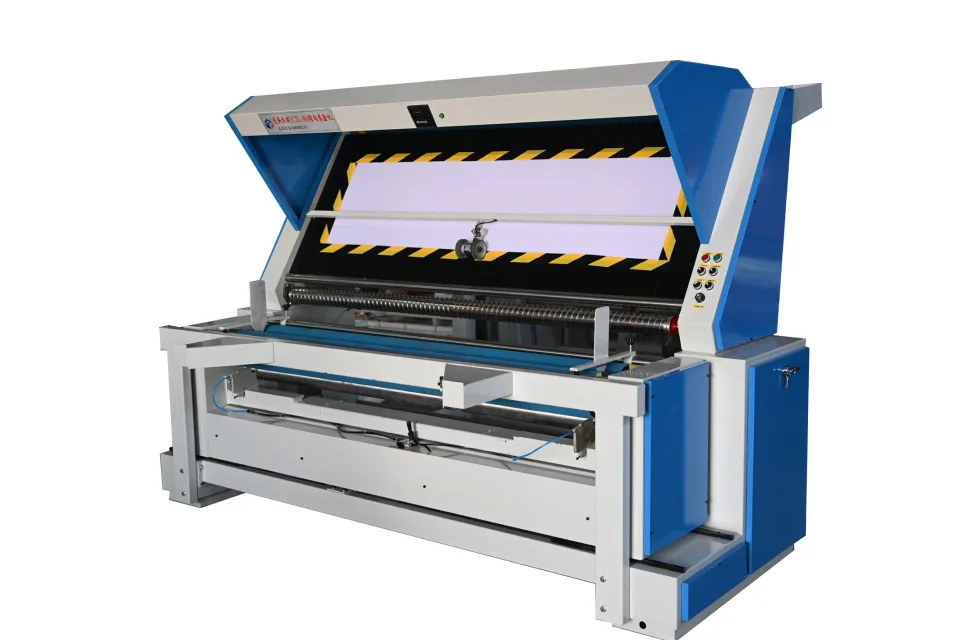
For example, the YC-888 is listed as an inspection and rolling machine. Its place in your workflow should account for both the incoming roll and the inspected roll leaving the station. Send Yuancheng your layout, material details and required output to discuss the relevant configuration and information needed before delivery.