
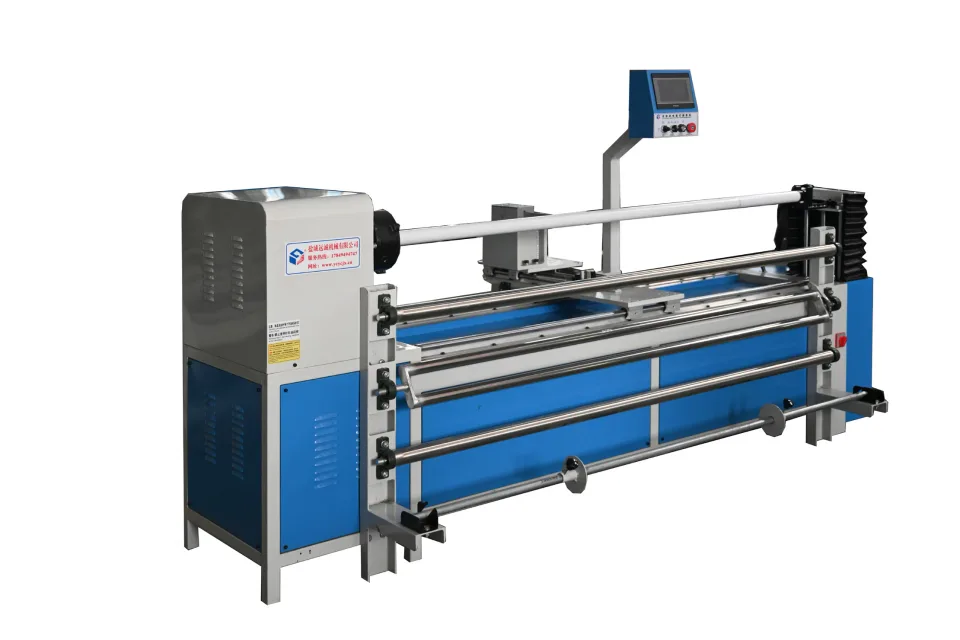
Repeat fabric orders can look familiar while the material, approved output or production conditions have changed. A reusable job sheet helps the next team understand what was requested, what actually ran and what needs review before the record is used again.
Define the output and controlling reference
Start with the documents that define the current order. Give the job sheet its own revision and record who approved it. Keep previous versions available so an old instruction cannot silently become the current instruction.
- Job identifier, customer reference, product name and planned output form.
- Drawing or specification identifier, current revision and approved sample reference.
- Machine model, job-sheet revision, approval name and approval date.
For example, a strip-cutting job on YC-1700 and a cutting-and-rolling job on YC-1700E need distinct job sheets when their required output forms differ. A machine name alone does not define the finished product or its collection method.
Identify the material actually loaded
Record the material used in this batch, even when the purchasing description matches the previous order. A different lot or roll can require a new trial and review.
- Material description, supplier lot, internal lot and individual roll identifiers.
- Observed roll width, outside diameter, core details and winding direction.
- Material face or orientation, splice status and visible condition relevant to the job.
Keep these entries tied to the batch rather than copying the previous values without checking.
Keep settings as reviewed references
A previous job sheet provides a reference for review. It does not authorize setup. Exact setup must follow the current approved instructions for the installed machine, with a material trial and acceptance review appropriate to the order. Repeated settings are not automatically valid for a changed lot.
- Applicable machine-instruction reference and revision.
- Reference settings, their source and who reviewed their use.
- Trial material identity, observations and decision to proceed or revise.
Record the first accepted output
Connect the production run to an identifiable accepted piece or sample. Record the checks required by the current specification and the results actually observed.
- Sample identifier, check method, result and acceptance decision.
- Inspector or authorized reviewer and record date.
- Location of the retained sample or its traceable record.
Review changes before repeat use
Record deviations and changeovers as they occur: the affected rolls, reason, authorized decision, revised reference and subsequent checks. Before the next repeat batch, compare the current order and material with this history. Update and approve the job-sheet revision where needed, then retain the earlier record. This keeps the job sheet useful as evidence of the actual run and as a reviewed starting point for the next one.